गौरवशाली विरासत
आरंभ — जब भारत की धातुकर्म यात्रा ने आकार लेना शुरू किया
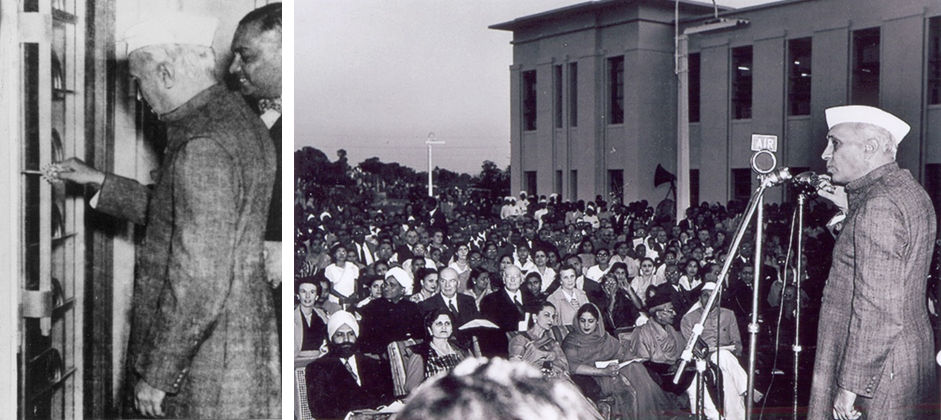
राष्ट्रीय धातुकर्म प्रयोगशाला (एनएमएल) उन प्रारंभिक पाँच प्रयोगशालाओं में से एक थी (राष्ट्रीय रासायनिक प्रयोगशाला, राष्ट्रीय भौतिक प्रयोगशाला, ईंधन अनुसंधान स्टेशन तथा काँच एवं सिरेमिक अनुसंधान संस्थान के साथ), जिनकी स्थापना भारत के औद्योगिक विकास को गति देने हेतु वैज्ञानिक एवं औद्योगिक अनुसंधान परिषद (सीएसआईआर) के अधीन परिकल्पित की गई थी। सीएसआईआर की स्थापना 26 सितम्बर, 1942 को हुई तथा वर्ष 1943 में सीएसआईआर के शासी निकाय ने देशभर में रणनीतिक रूप से उपयुक्त स्थानों पर इन पाँच प्रयोगशालाओं की स्थापना के प्रस्ताव को स्वीकृति प्रदान की। एनएमएल की आधारशिला वर्ष 1946 में, अंतरिम राष्ट्रीय सरकार के शिक्षा एवं कला मंत्री माननीय श्री चक्रवर्ती राजगोपालाचारी द्वारा 21 नवम्बर, 1946 को रखी गई, जिसने देश के धातुकर्म इतिहास एवं विरासत में एक महत्वपूर्ण मील का पत्थर स्थापित किया। वर्ष 1950 में इस प्रयोगशाला का उद्घाटन भारत गणराज्य के तत्कालीन प्रधानमंत्री पंडित जवाहरलाल नेहरू द्वारा किया गया, जो देश के भविष्य के प्रति आशा का प्रतीक था। राष्ट्रीय धातुकर्म प्रयोगशाला, श्री शांति स्वरूप भटनागर की उस दूरदर्शी परिकल्पना का एक भाग थी, जिसके अंतर्गत विज्ञान एवं प्रौद्योगिकी के क्षेत्र में भारत की उन्नति हेतु अनुसंधान संस्थानों का एक सुदृढ़ शृंखला स्थापित करने की कल्पना की गई थी।
26 नवम्बर, 1950 को भारत की स्वतंत्रता के तुरंत पश्चात स्थापित एनएमएल ने वैज्ञानिक अनुसंधान, प्रौद्योगिकी विकास, औद्योगिक सेवाओं तथा मानव संसाधन विकास के माध्यम से खनिज, धातु एवं पदार्थ के क्षेत्रों में देश की क्षमताओं के विकास में महत्वपूर्ण भूमिका निभाई है। स्थापना के पश्चात से ही एनएमएल ने अपने अनुसंधान कार्यों का विस्तार करते हुए निष्कर्षण धातुकर्म, मिश्रधातु विकास, धातुकर्मीय प्रक्रिया मॉडल निर्माण, खनिज अनुसंधान, उन्नत पदार्थ, अखंडता मूल्यांकन, सतह अभियांत्रिकी तथा सतत धातु उत्पादन जैसे क्षेत्रों को सम्मिलित किया है। खनिज, धातु एवं पदार्थ से संबंधित विभिन्न क्षेत्रों में इसकी गौरवशाली विरासत का विवरण नीचे प्रस्तुत किया गया है।
फेरोएलॉय — मजबूत इस्पात के निर्माण की एक महत्वपूर्ण मौन आधारशक्ति
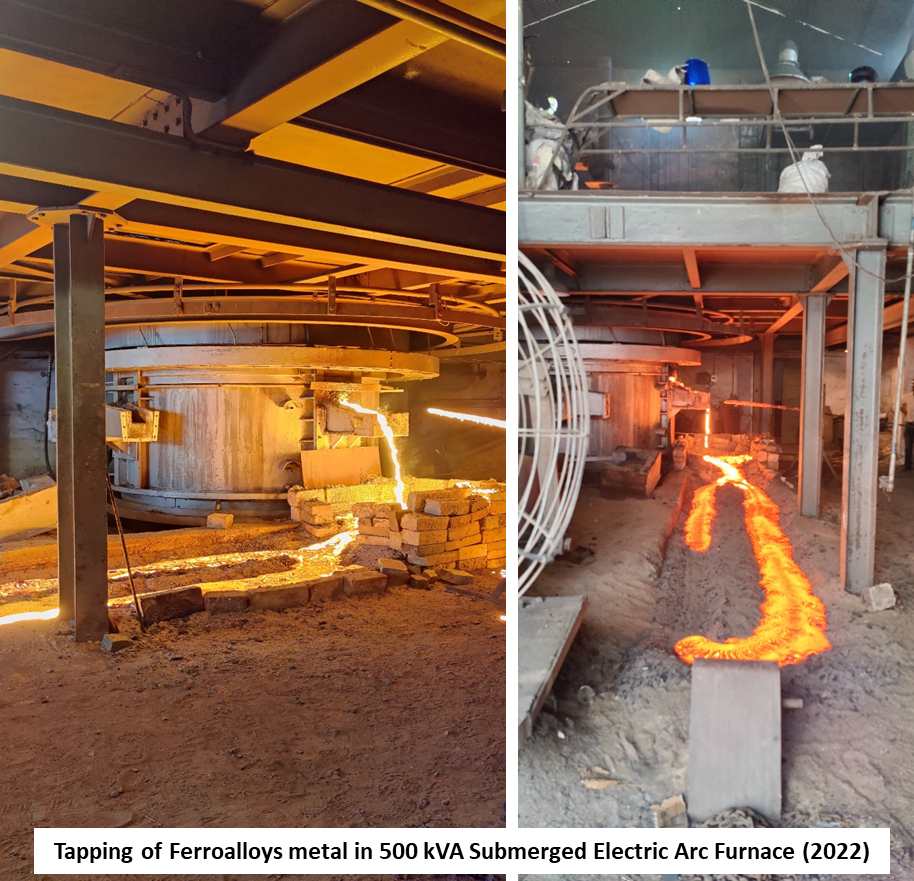
फेरोएलॉय के विकास ने भारत के लौह एवं इस्पात उद्योग की प्रगति में महत्वपूर्ण भूमिका निभाई। आयुध प्रतिष्ठानों को समर्थन प्रदान करने हेतु एनएमएल ने एल्युमिनोथर्मिक विधि द्वारा निम्न-कार्बन तथा कार्बन-रहित फेरोक्रोम का उत्पादन प्रारंभ किया। एनएमएल की तृतीय पंचवर्षीय योजना के दौरान फेरोएलॉय पर विशेष ध्यान केंद्रित किया गया। एनएमएल की 500 केवीए सबमर्ज्ड आर्क भट्टी (SAF), जो भारत की पहली थी, ने वर्ष 1962 में देश में फेरोएलॉय के संगठित उत्पादन की शुरुआत का मार्ग प्रशस्त किया। यह भट्टी फेरोएलॉय उत्पादकों के लिए एक प्रमुख सुविधा सिद्ध हुई तथा सामान्य अयस्क गलन के लिए भी प्रयुक्त की गई। 1960 के दशक से एनएमएल ने फेरोएलॉय उद्योग में महत्वपूर्ण योगदान दिया। वर्ष 1975–76 में एनएमएल ने पहली बार भारत में कैल्शियम-सिलिसाइड का उत्पादन किया, जो आईएसआई मानकों के अनुरूप था तथा इसे हिंदुस्तान मशीन टूल्स (एचएमटी) और हेवी इंजीनियरिंग कॉर्पोरेशन (एचईसी) को प्रेषित किया गया। वैनाडियम-समृद्ध स्लैग के लिए औद्योगिक स्तर के परीक्षण भी संपन्न किए गए। फेरोएलॉय कॉर्पोरेशन (FACOR) के साथ एनएमएल के दीर्घकालिक सहयोग के परिणामस्वरूप वर्ष 1967 में उच्च-कार्बन फेरोक्रोम हेतु 12 एमवीए भट्टी तथा निम्न-कार्बन फेरोक्रोम हेतु 8 एमवीए भट्टी की स्थापना की गई। FACOR ने अनेक अनुसंधानों को सहयोग प्रदान किया, जिनमें फाउंड्री में फेरोक्रोम स्लैग का उपयोग तथा इनोकुलेंट्स हेतु मैग्नीशियम धातु अपशिष्ट के उपयोग संबंधी अध्ययन शामिल हैं। 1960 के दशक के उत्तरार्ध में एनएमएल ने मिश्रधातु इस्पात में उपयोग हेतु 0.05–0.2% तक कार्बन युक्त निम्न-कार्बन फेरोक्रोम तथा कार्बन-रहित फेरोक्रोम के उत्पादन की भारत की प्रथम प्रौद्योगिकी भी विकसित की।
अपनी विरासत को आगे बढ़ाते हुए, हाल के वर्षों में एनएमएल ने वैनाडियम पेंटऑक्साइड सान्द्रण से एल्युमिनोथर्मिक विधि द्वारा कार्बन-रहित फेरोवैनाडियम (Fe-V) के निर्माण की एक प्रक्रिया विकसित की है। एल्युमिनोथर्मिक अभिक्रिया को अग्निरोधी अस्तरयुक्त कक्ष में संचालित किया जाता है। फ्लक्सिंग अभिकर्मकों को वैनाडियम पेंटऑक्साइड के साथ आवश्यक मात्रा में एल्युमिनियम एवं आयरन ऑक्साइड के साथ मिश्रित किया जाता है। एनएमएल में मैंगनीज अयस्क के सिलिको-थर्मिक अपचयन की प्रक्रिया को प्रयोगशाला स्तर पर विकसित किया गया है, जिससे निम्न-कार्बन फेरोमैंगनीज का उत्पादन किया जा सके। एनएमएल ने उच्च-कार्बन फेरोमैंगनीज में कार्बन की मात्रा को कम करने हेतु CO₂ को डीकार्बराइजिंग अभिकर्ता के रूप में उपयोग करने की एक प्रक्रिया भी विकसित की है, जिसका उपयोग उच्च-शक्ति, निम्न-मिश्रधातु (HSLA) इस्पात अथवा उन्नत उच्च-शक्ति इस्पात (AHSS) आदि के उत्पादन में किया जा सकता है।
स्पंज आयरन — कोमल धातु, सशक्त उद्देश्य के साथ
स्पंज आयरन के उत्पादन में कोयले एवं निम्न-ग्रेड ईंधनों का उपयोग भारत की इस्पात अर्थव्यवस्था के विकास तथा विद्युत इस्पात निर्माण में स्क्रैप के स्थानापन्न के रूप में अत्यंत महत्वपूर्ण सिद्ध हुआ। योजना आयोग एवं इस्पात मंत्रालय की अनुसंधान प्राथमिकताओं के अनुरूप, बड़े पैमाने पर स्पंज आयरन परीक्षणों के लिए एक रोटरी भट्टी सुविधा (200–300 किग्रा/घंटा) स्थापित की गई। तत्कालीन केंद्रीय इस्पात मंत्री, श्री चरणजीत सिंह यादव ने एनएमएल के प्रयासों की सराहना करते हुए कहा, “राष्ट्रीय धातुकर्म प्रयोगशाला ने स्पंज आयरन के उत्पादन में प्रत्यक्ष अपचयन तकनीकों को बढ़ावा देने हेतु इस चुनौतीपूर्ण पहल को अपनाने में अनुकरणीय साहस का प्रदर्शन किया है। इसके परिणामस्वरूप देश में बड़ी संख्या में मिनी इस्पात संयंत्रों की स्थापना संभव हो सकेगी, जो स्थानीय रूप से उपलब्ध लौह भंडारों का उपयोग करते हुए आसपास के क्षेत्रों की इस्पात आवश्यकताओं को पूरा करेंगे। स्पंज आयरन तकनीक का उपयोग करने वाले ये मिनी इस्पात संयंत्र आने वाले वर्षों में देश की कुल इस्पात आवश्यकता का 20–25% तक पूरा करने में सक्षम होंगे।”
ओडिशा इंडस्ट्रियल डेवलपमेंट कॉरपोरेशन लिमिटेड (IDCOL), भिलाई इस्पात संयंत्र, महाराष्ट्र स्टेट इंडस्ट्रियल इन्वेस्टमेंट कॉरपोरेशन (SIICOM), आंध्र प्रदेश इंडस्ट्रियल डेवलपमेंट कॉरपोरेशन (APIDC) तथा नेशनल मिनरल डेवलपमेंट कॉरपोरेशन (NMDC) सहित विभिन्न संगठनों के लौह अयस्कों का स्पंज आयरन उत्पादन हेतु रोटरी हर्थ भट्टी में परीक्षण किया गया। यूएनआईडो (UNIDO) द्वारा प्रायोजित एक अध्ययन के अंतर्गत आसवान (मिस्र) के अयस्क पर भी अपचयन परीक्षण किए गए, जो एनएमएल की प्रथम अंतरराष्ट्रीय अनुसंधान परियोजना थी। नेपाल खान ब्यूरो द्वारा प्रायोजित एक अन्य अध्ययन में उनके कच्चे माल का परीक्षण किया गया। एनएमएल की ठोस अपचयन प्रौद्योगिकी का उपयोग करते हुए भारत का प्रथम वाणिज्यिक स्पंज आयरन संयंत्र, जिसकी क्षमता 25,000–30,000 टन प्रति वर्ष थी, वर्ष 1975–76 में विजयवाड़ा स्थित आंध्र सीमेंट कंपनी में स्थापित किया गया। आईपीआईकोल (IPICOL) के पूर्व अध्यक्ष डॉ. इन्ग. एच. पी. मिश्रा ने वर्ष 2010 में एनएमएल के योगदान को स्वीकार करते हुए कहा, “1970 से 1974 के दौरान मैंने हमारे स्पंज आयरन तथा फेरो-वैनाडियम परियोजना के लिए एनएमएल की विशेषज्ञता प्राप्त की, जिससे हमें उड़ीसा तथा टाटा स्पंज आयरन परियोजनाओं को समझने में सहायता मिली।”
हाल ही में, सीएसआईआर-एनएमएल ने आयरन अयस्क स्लाइम, मिल स्केल तथा नॉन-कोकिंग कोयले का उपयोग करते हुए टनल भट्टी में डीआरआई (DRI) के उत्पादन की प्रक्रिया विकसित की है, जिसे वाणिज्यिक उत्पादन हेतु एम/एस एसएमआरडब्ल्यू, रांची को हस्तांतरित किया गया है। उत्पादित डीआरआई में उच्च धातुकरण (> 88%) पाया गया है तथा यह इस्पात निर्माण हेतु बीओएफ, आईएफ एवं ईएएफ भट्टियों के लिए उपयुक्त है। इस्पात उद्योग को देश का सबसे महत्वपूर्ण उद्योग माना जाता है तथा यह आर्थिक समृद्धि के लिए अत्यंत आवश्यक है। एनएमएल हाइड्रोजन-आधारित प्रत्यक्ष अपचयित लौह (H-DRI) से हरित इस्पात निर्माण पर प्रयोगशाला स्तर पर कार्य कर रहा है। हाइड्रोजन के अतिरिक्त, अमोनिया का भी अपचायक अभिकर्ता के रूप में लौह अयस्क पेलेट्स के अपचयन में उपयोग किया जा रहा है, जिसमें H-DRI का उपयोग इंडक्शन भट्टियों/इलेक्ट्रिक आर्क भट्टियों में हरित इस्पात निर्माण हेतु किया गया है।
मैग्नीशियम का महत्व — भारत में इसकी स्थापना में एनएमएल की अग्रणी भूमिका
सत्तर के दशक के प्रारंभ में एक महत्वपूर्ण उपलब्धि मैग्नीशियम संयंत्र की स्थापना तथा उसके सफल परीक्षण संचालन की रही। 1960 के दशक के उत्तरार्ध में प्रयोगशाला में प्रथम स्पंज मैग्नीशियम का उत्पादन किया गया, जिसमें श्री एम. पी. मेनन के नेतृत्व में टीम ने देश का पहला मैग्नीशियम इंगट तैयार किया। मैग्नीशियम पायलट संयंत्र का उद्घाटन फरवरी 1972 में किया गया तथा इसका औपचारिक उद्घाटन नवम्बर 1972 में तत्कालीन केंद्रीय इस्पात एवं खान मंत्री श्री मोहन कुमारमंगलम द्वारा किया गया। उच्च-शुद्धता (99.9%) मैग्नीशियम का उत्पादन टन स्तर पर किया गया तथा स्पंज मैग्नीशियम को पायलट स्तर पर सफलतापूर्वक पिघलाकर मिश्रधातु तैयार की गई। विकास अवधि के दौरान आवश्यक शुद्धता मानकों के अनुरूप उत्पादित मैग्नीशियम को आयुध निर्माणी, हिंदुस्तान एयरोनॉटिक्स लिमिटेड, गवर्नमेंट मिंट, भारत एल्युमिनियम, हेवी इंजीनियरिंग कॉर्पोरेशन, विक्रम साराभाई अंतरिक्ष केंद्र, रक्षा अनुसंधान प्रयोगशालाएँ तथा न्यूक्लियर फ्यूल कॉम्प्लेक्स सहित विभिन्न सामरिक एवं वाणिज्यिक संगठनों को आपूर्ति की गई। इन उपयोगकर्ताओं ने पुष्टि की कि मैग्नीशियम आवश्यक शुद्धता मानकों के अनुरूप है, जिससे आयातित मैग्नीशियम का स्थानापन्न संभव हुआ। बाद में, अगस्त–सितम्बर 1987 में इस संयंत्र को सदर्न मैग्नीशियम (एसएमसीएल, राजमुंदरी) को हस्तांतरित कर दिया गया, जिससे यह एक दशक से अधिक समय तक देश का एकमात्र मैग्नीशियम उत्पादक बना रहा। इसके परिणामस्वरूप देश की सामरिक आवश्यकताओं के लिए मैग्नीशियम मिश्रधातुओं के विकास को भी बढ़ावा मिला।
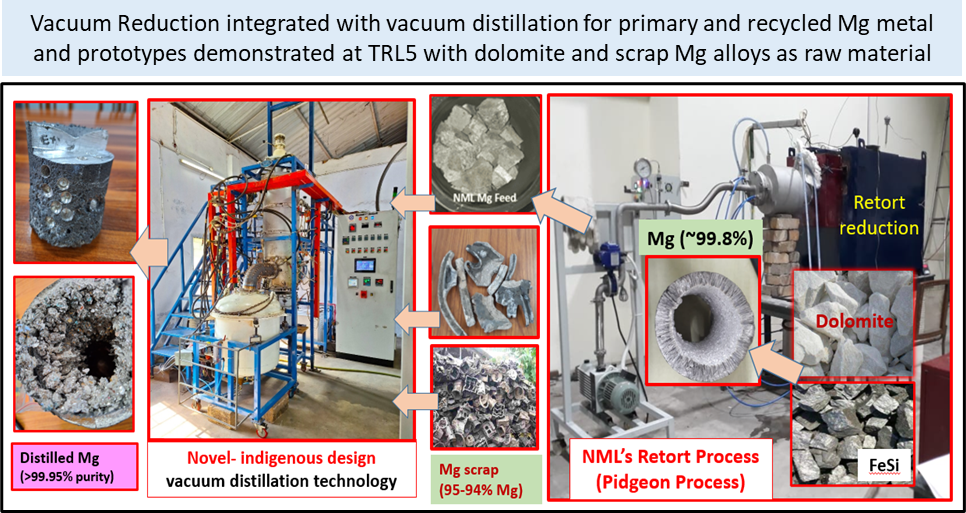
वर्ष 2000–2017 के दौरान, सीएसआईआर-एनएमएल ने द्रव अवस्था सिलिकोथर्मिक अपचयन प्रौद्योगिकी के साथ इलेक्ट्रोथर्मल पायलट संयंत्र के विकास का कार्य प्रारंभ किया। वर्ष 2020 से, सीएसआईआर-एनएमएल ने अपने पिजियन/रेटॉर्ट प्रक्रिया का पुनः अवलोकन किया तथा 14–15 किग्रा फीड/चार्ज और 2.5–3.0 किग्रा मैग्नीशियम धातु के लिए एकल रेटॉर्ट प्रोटोटाइप को सफलतापूर्वक स्थापित किया जा रहा है। मैग्नीशियम के परिष्करण तथा स्क्रैप पुनर्चक्रण के लिए वैक्यूम आसवन-आधारित प्रौद्योगिकियाँ स्वदेशी उपकरण अभिकल्पनों के साथ विकसित की गईं।
मई 2024 से, सीएसआईआर-एनएमएल ने सीएसआईआर विशेष परियोजना योजना–पायलट संयंत्र (CSPS-PP) के अंतर्गत भारतीय डोलोमाइट संसाधनों/स्क्रैप से वाणिज्यिक श्रेणी तथा उच्च-शुद्धता मैग्नीशियम धातु के उत्पादन हेतु एक पायलट संयंत्र स्थापित करने के उद्देश्य से पायलटिंग गतिविधि प्रारंभ की है। प्रस्तावित पायलट संयंत्र की क्षमता 120–150 किग्रा मैग्नीशियम धातु/दिन (600 किग्रा फीड / लगभग 2 टीपीडी डोलोमाइट आधारित फीड) निर्धारित की गई है। इसमें एनएमएल की उन्नत रेटॉर्ट/पिजियन प्रौद्योगिकी तथा सतत वैक्यूम आसवन परिष्करण प्रौद्योगिकी के एकीकरण की परिकल्पना की गई है, जिसका उद्देश्य कार्बन पदचिह्न में कमी लाना, स्लैग वैलोराइजेशन के माध्यम से परिपत्र अर्थव्यवस्था को बढ़ावा देना तथा उच्च-शुद्धता मैग्नीशियम के लिए अंतर्निहित स्क्रैप पुनर्चक्रण क्षमताएँ विकसित करना है।
उच्च-तापीय पदार्थों में अग्रणी: क्रीप उत्कृष्टता के दशकों का अनुभव
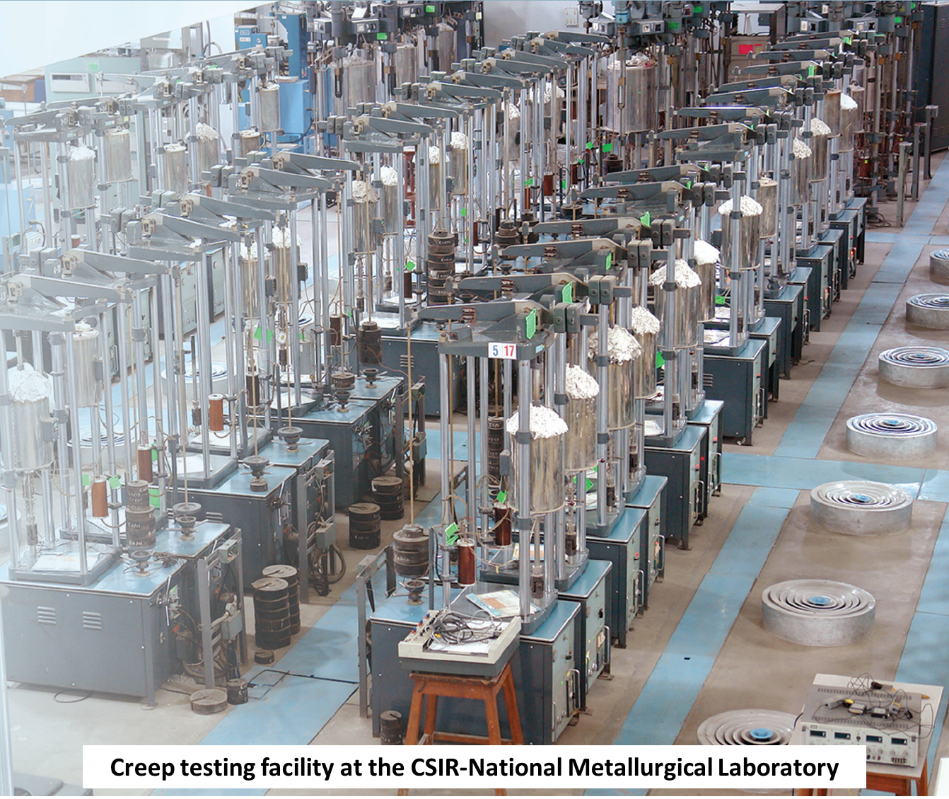
एनएमएल में क्रीप परीक्षण की शुरुआत 1960 के दशक के प्रारंभ में केवल 12 मशीनों के साथ सीमित स्तर पर हुई थी, जिसका उद्देश्य प्रारंभ में स्वदेशी उच्च-तापीय मिश्रधातुओं के विकास हेतु प्रयोगशाला अनुसंधान का समर्थन करना था। तथापि, 1960 के दशक के उत्तरार्ध तक एक केंद्रीकृत, बड़े पैमाने की क्रीप परीक्षण सुविधा की आवश्यकता स्पष्ट रूप से महसूस की जाने लगी। उस समय, क्रीप-प्रतिरोधी इस्पात के लिए भारत आयात पर अत्यधिक निर्भर था, क्योंकि स्वदेशी क्रीप डेटा के अभाव में उपयोगकर्ता देश में निर्मित सामग्रियों को अपनाने में संकोच कर रहे थे। इस अंतर को ध्यान में रखते हुए, 1960 के दशक के मध्य में विभिन्न हितधारकों—जिनमें इस्पात उत्पादक (जैसे SAIL एवं महिंद्रा-उजीन), उपयोगकर्ता (जैसे BHEL), अनुसंधान एवं विकास संगठन (एनएमएल एवं आरआरसी-कल्पक्कम) तथा वैधानिक निकाय (तत्कालीन ISI, DGTD)—ने मिलकर राष्ट्रीय स्तर की क्रीप परीक्षण अवसंरचना की स्थापना की अनुशंसा की।
इसके परिणामस्वरूप वर्ष 1972 में एनएमएल में एशिया की सबसे बड़ी क्रीप प्रयोगशाला की स्थापना हुई, जिसमें यूएनआईडो द्वारा प्रदत्त उपकरणों के सहयोग से 150 परीक्षण बिंदु स्थापित किए गए। यह सुविधा एनएमएल के इतिहास में एक महत्वपूर्ण मील का पत्थर सिद्ध हुई तथा क्रीप-प्रतिरोधी इस्पात के स्वदेशीकरण हेतु देशव्यापी प्रयासों को प्रोत्साहन मिला। इंडियन क्रीप पैनल—एक स्वैच्छिक निकाय, जिसका सचिवालय एनएमएल में था—के मार्गदर्शन में एक स्वदेशी विकास कार्यक्रम प्रारंभ किया गया। इस पहल के अंतर्गत इस्पात विनिर्देशों का युक्तिकरण किया गया, योग्यता निर्धारण हेतु सुदृढ़ परीक्षण कार्यक्रमों की रूपरेखा तैयार की गई तथा स्वदेशी रूप से विकसित मिश्रधातुओं के वाणिज्यिक उत्पादन के साथ दीर्घकालिक क्रीप मूल्यांकन को संभव बनाया गया। स्वदेशीकरण किए गए प्रमुख इस्पात ग्रेडों में उच्च-तापीय बोल्टिंग इस्पात (CrMoV, Ti एवं B सहित तथा बिना, EN20), सुपरहीटर ट्यूबिंग इस्पात (1CrMo, 2¼Cr1Mo, 2CrMoV) तथा फोर्जिंग ग्रेड इस्पात (CrMo, CrMoV) शामिल थे। एनएमएल ने इन इस्पातों पर 30,000 घंटे तक का क्रीप डेटा तैयार किया तथा उन्हें अंतरराष्ट्रीय मानकों के साथ तुलनात्मक रूप से आंका। इन मूल्यांकनों के आधार पर सेंट्रल बॉयलर बोर्ड ने भारतीय तापीय विद्युत संयंत्रों में इन स्वदेशी इस्पातों के उपयोग को स्वीकृति प्रदान की। वर्ष 1980 तक एनएमएल क्रीप परीक्षण, सामग्री योग्यता निर्धारण तथा विफलता विश्लेषण के लिए एक राष्ट्रीय केंद्र के रूप में स्थापित हो चुका था। बीएचईएल के लिए दीर्घकालिक परीक्षण कार्य जारी रहे, जबकि एनएमएल ने रिएक्टर रिसर्च सेंटर (वर्तमान इंदिरा गांधी परमाणु अनुसंधान केंद्र, आईजीसीएआर) के फास्ट ब्रीडर रिएक्टर कार्यक्रम हेतु सामग्रियों के प्रमाणीकरण में महत्वपूर्ण भूमिका निभाई। एनएमएल को आईजीसीएआर, कल्पक्कम के फास्ट ब्रीडर रिएक्टर के लिए स्टेनलेस स्टील पर 1,40,000 घंटे तक चलने वाले भारत के सबसे दीर्घकालिक क्रीप परीक्षण के संचालन का विशिष्ट गौरव प्राप्त है।
एनएमएल की व्यापक विशेषज्ञता ने इसे ताप विद्युत संयंत्रों, पेट्रोकेमिकल इकाइयों और उर्वरक उद्योगों से उच्च तापमान वाले घटकों के शेष जीवन मूल्यांकन (आरएलए) का नेतृत्व करने में भी सक्षम बनाया। इन जांचों ने महत्वपूर्ण उपकरणों के परिचालन जीवन को बढ़ाने में मदद की। दशकों के सूक्ष्म संरचनात्मक विश्लेषण, विफलता मामले के अध्ययन और सेवा-उजागर और प्रयोगशाला-परीक्षण दोनों नमूनों के दीर्घकालिक परीक्षण के माध्यम से, एनएमएल ने जीवन की भविष्यवाणी और औद्योगिक घटकों के विस्तार के लिए मूल्यवान डेटा का एक पर्याप्त भंडार बनाया है। आज भी, एन. एम. एल. प्रमुख राष्ट्रीय सामग्री विकास कार्यक्रमों की सेवा करना जारी रखता है। यह क्रीप परीक्षण, उच्च तापमान घटकों के आर. एल. ए. और आई. बी. आर. प्रमाणन में एक मान्यता प्राप्त प्राधिकरण बना हुआ है, जो देश के बुनियादी ढांचे और ऊर्जा क्षेत्रों की रणनीतिक जरूरतों में महत्वपूर्ण योगदान देता है।
कलमन फ्लोटेशन-संसाधनों को शुद्ध करना, बिजली उद्योग
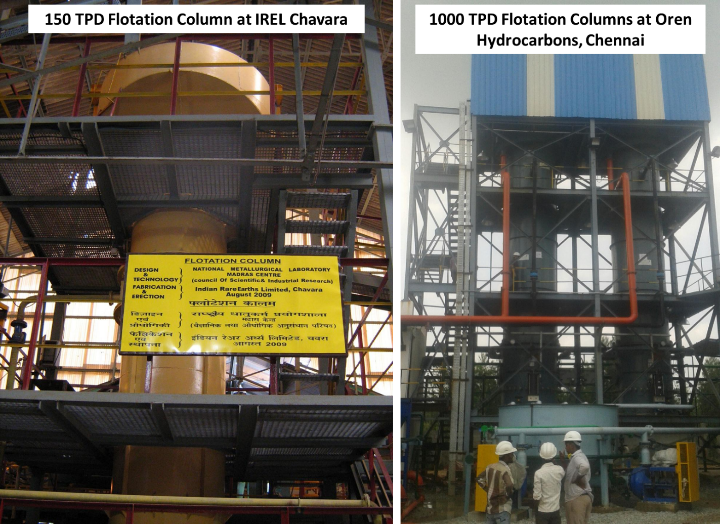
सीएसआईआर-राष्ट्रीय धातुकर्म प्रयोगशाला (सीएसआईआर-एनएमएल) तीन दशकों से अधिक समय से दुबले ग्रेड और महीन दाने वाले अयस्कों को संसाधित करने के लिए 'कॉलम फ्लोटेशन टेक्नोलॉजी' को स्वदेशी बनाने में सबसे आगे रही है। देश भर में विभिन्न निजी और सार्वजनिक क्षेत्र के खनिज प्रसंस्करण उद्योगों में प्रयोगशाला-पैमाने (74 मिमी व्यास) और पायलट प्लांट-पैमाने (500 मिमी व्यास) फ्लोटेशन कॉलम को डिजाइन, निर्मित और क्षेत्र-परीक्षण किया गया था। कॉलम फ्लोटेशन प्रौद्योगिकी के विकास ने प्रौद्योगिकी तैयारी स्तर-9 हासिल किया, जिसका अर्थ है कि यह वाणिज्यिक पैमाने पर सफल परिनियोजन के लिए तैयार है। सीएसआईआर-एनएमएल की यूएसपी यह है कि यह एक ईपीसी कंपनी, मेसर्स टेगा मैकनली मिनरल्स लिमिटेड, बेंगलुरु और अभिकर्मक निर्माताओं और आपूर्तिकर्ताओं, मेसर्स सुदर्शन केमिकल इंडस्ट्रीज लिमिटेड, पुणे के साथ सहयोग और साझेदारी करके वाणिज्यिक पैमाने पर फ्लोटेशन कॉलम की स्थापना और चालू करने के लिए वन-स्टॉप समाधान प्रदान करता है। चूना पत्थर, बेराइट और ठीक कोयले की वसूली को लाभान्वित करने के लिए अब तक पांच प्रयोगशाला-पैमाने, दो पायलट संयंत्र-पैमाने और आठ वाणिज्यिक-पैमाने के फ्लोटेशन कॉलम शुरू किए गए हैं।
लो शाफ्ट-उच्च महत्वाकांक्षाएँ
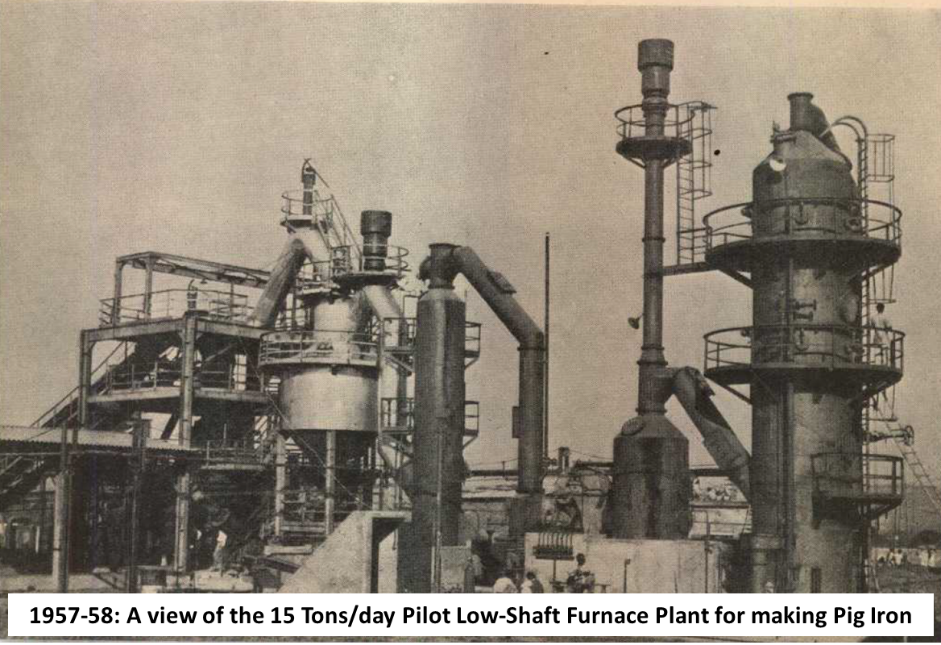
15-टन/दिन क्षमता वाली पायलट लो-शाफ्ट भट्ठी, जो दुनिया में कहीं भी स्थापित की गई सबसे बड़ी पायलट संयंत्रों में से एक थी, 1959 से NML में परिचालन में थी। लगभग 3 मिलियन (1950 के दशक के मध्य में) की लागत वाली और डेमाग-हम्बोल्ट नीदर्शाख्टोफेन, डुइसबर्ग, पश्चिम जर्मनी द्वारा आपूर्ति की गई इस संयंत्र के निर्माण में लगभग दो वर्ष लगे। इसके लिए प्रतिदिन 100 टन सामग्री हैंडलिंग की आवश्यकता होती थी! इस संयंत्र का उद्देश्य नरम लौह अयस्क, लौह अयस्क फाइन्स, लाभकारीकृत मैग्नेटाइट लौह अयस्क जैसे कच्चे माल के साथ विभिन्न गैर-कोकिंग उच्च राख वाले कोयलों या कार्बनीकृत लिग्नाइट से वाणिज्यिक ग्रेड का पिग आयरन बनाने की संभावनाओं का आकलन करना था, जिनकी प्रचुर आपूर्ति भारत में उपलब्ध है लेकिन पारंपरिक ब्लास्ट फर्नेस में दोहन के लिए अनुपयुक्त हैं। इस संयंत्र ने भारत में लौह अयस्क फाइन्स और कोयले से पहला पिग आयरन तैयार किया और 1959 में ही एक हजार टन से अधिक फाउंड्री ग्रेड पिग आयरन का उत्पादन किया गया। परीक्षणों के पाँच चरण थे: 1) निम्न ग्रेड के अयस्कों और कोयले का उपयोग; 2) लौह अयस्क फाइन्स, चूना पत्थर और गैर-कोकिंग कोयलों से स्व-फ्लक्सिंग ब्रिकेट्स का चार्ज; 3) नेवेली और पलामू से कार्बनीकृत लिग्नाइट का उपयोग और सेलम मैग्नेटाइट का उपयोग; 4) टॉप गैस इंजेक्शन, सिंटर्ड बर्डन और ब्लास्ट के ऑक्सीजन संवर्धन के माध्यम से ईंधन अर्थव्यवस्था में सुधार और 5) Fe-Mn और Fe-Cr जैसे फेरो-अलॉय का उत्पादन। देश भर से कच्चे माल का उपयोग करके पिग आयरन के उत्पादन की तकनीकी और आर्थिक व्यवहार्यता स्थापित करने के लिए दो दशकों में चौबीसों घंटे के आधार पर सत्तर से अधिक अभियान चलाए गए। इन अध्ययनों के परिणाम, जो बड़ी संख्या में प्रायोजित अध्ययनों के अंतर्गत किए गए थे, विशेष रूप से पूर्वी पंजाब, आंध्र प्रदेश, राजस्थान, महाराष्ट्र, तमिलनाडु और बिहार की राज्य सरकारों द्वारा, भारत के विभिन्न हिस्सों में लौह और इस्पात उत्पादन के लिए छोटी इकाइयों की स्थापना में उपयोग किए गए। नेपाल सरकार ने अपने कच्चे माल का उपयोग करके छोटे पैमाने की लौह उत्पादन सुविधा स्थापित करने के लिए एक अध्ययन प्रायोजित किया। लो-शाफ्ट फर्नेस में मैंगनीज अयस्कों को गलाकर फेरोमैंगनीज, TiO2 स्लैग के लिए टाइटेनिफेरस अयस्क और फेरो-फॉस्फोरस के लिए फॉस्फेट अयस्क का उत्पादन करने के लिए पायलट पैमाने के परीक्षण भी किए गए।
लौह अयस्क और पारंपरिक ब्लास्ट फर्नेस द्वारा लौह उत्पादन के लिए अनुपयुक्त कोयले से पिग आयरन का उत्पादन महान दूरदर्शिता का प्रतीक था। ऊर्जा अर्थव्यवस्था में सुधार के लिए मूल डिजाइन में ऑक्सीजन संवर्धन और तरल नैफ्था का प्रत्यक्ष इंजेक्शन शामिल किया गया था। बैलास्ट के लिए स्लैग के उपयोग, इंसुलेशन कंक्रीट के लिए हल्के भार वाले एग्रीगेट के उत्पादन और साधारण पोर्टलैंड सीमेंट के स्थान पर मिश्रित सीमेंट के उत्पादन की प्रक्रियाओं के विकास से प्रक्रिया की पर्यावरणीय स्थिरता में और सुधार हुआ। यह संयंत्र, जो साठ के दशक तक NML का कार्यघोड़ा था, M/s Polybond Co. को दुर्ग, रायपुर में बेच दिया गया था, जो आज भी चालू है।
स्टील में हमारा भरोसा
अपनी स्थापना के बाद से, CSIR-NML ने स्वदेशी इस्पात निर्माण प्रौद्योगिकियों और नए उत्पाद विकास में महत्वपूर्ण योगदान दिया है, जिससे देश की आयात और विदेशी तकनीकी जानकारी पर निर्भरता कम हुई है। भारत में लगभग तीस प्रतिशत इस्पात का उत्पादन इंडक्शन भट्टियों का उपयोग करने वाले द्वितीयक उत्पादकों द्वारा किया जाता था, जिसके परिणामस्वरूप अक्सर फॉस्फोरस की मात्रा अधिक हो जाती थी। अपने शुरुआती वर्षों में, CSIR-NML ने AIIFA और इस्पात मंत्रालय के साथ मिलकर BIS मानकों को पूरा करने के लिए फॉस्फोरस के स्तर को कम करने वाला एक फ्लक्स विकसित किया, जिसके औद्योगिक परीक्षणों के परिणाम आशाजनक रहे। विभिन्न अन्य परिशोधन उद्देश्यों के लिए फ्लक्स को और अधिक परिष्कृत करने के प्रयास अभी भी जारी हैं।
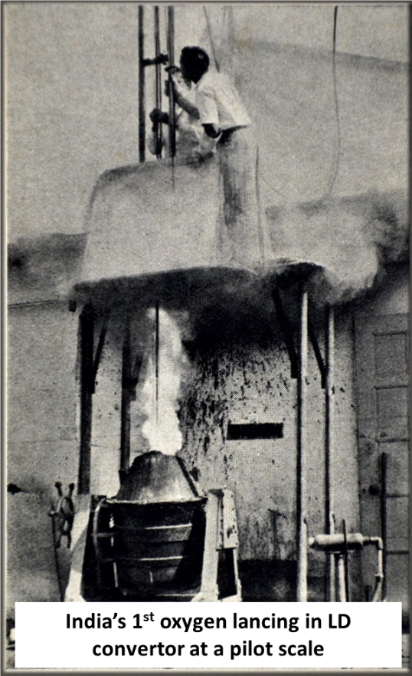
कुशल और स्वच्छ इस्पात निर्माण के लिए ऑक्सीजन लांसिंग की शुरुआत भारतीय इस्पात निर्माण उद्योगों में पहली बार 1950 के दशक से लेकर 1960 के दशक के प्रारंभ तक की गई थी। वर्ष 1957-58 में एक उल्लेखनीय योगदान के रूप में, NML ने देश के इस्पात विस्तार कार्यक्रम में सहायक होने की परिकल्पना किए गए आँकड़े उत्पन्न करने के उद्देश्य से R&D गतिविधियों के लिए 0.1 टन की क्षमता में ऑक्सीजन लांसिंग की पहली पायलट प्लांट सुविधा स्थापित की।
पायलट पैमाने पर निरंतर ढलाई संयंत्र का पहली बार डिजाइन और निर्माण 1961 में NML में किया गया था। एल्युमिनियम और उसके मिश्रधातुओं की ढलाई के लिए एक दोहरी-दीवार वाली, जल-शीतित तांबे की डाई का उपयोग किया गया था, जिसमें निकास जल सीधे स्प्रे के रूप में ढली हुई छड़ पर गिरता था। तांबे की डाई का आकार 31.75 mm आंतरिक व्यास और 50.8 mm लंबा था। ढलाई की गति लगभग 457.2 mm/min थी, जिसमें परिसंचारी जल की दर 3500 cc/min थी। यह संभवतः भारत की पहली निरंतर डाई ढलाई इकाई थी। यद्यपि निरंतर ढलाई प्रक्रिया की परिकल्पना 1858 में बेसेमर ने की थी, फिर भी इस्पात की निरंतर ढलाई का व्यापक रूप से व्यापक उपयोग 1960 के दशक तक नहीं हुआ।
निकल-मुक्त स्टेनलेस स्टील विकसित करने के क्षेत्र में NML का कार्य, जिसका नाम उस समय CSIR के महानिदेशक के नाम पर THACKERON रखा गया था, एक बड़ी सफलता थी। निकल की रणनीतिक प्रकृति और वर्तमान अस्थिर बाजार को देखते हुए इस आविष्कार को अपने समय से बहुत आगे का माना जा सकता है। इन नए स्टीलों के उत्पादन की विधियों पर NML को पहले विदेशी पेटेंट प्रदान किए गए (फ्रांसीसी पेटेंट 1208393: सितंबर, 1959; यूके पेटेंट 833308, अगस्त, 1960)।
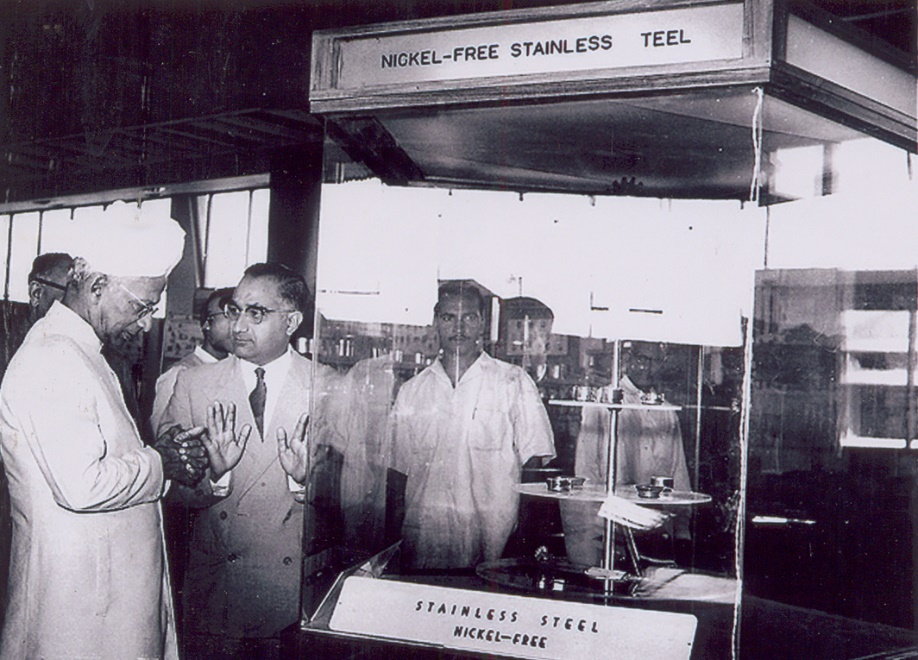
Ni-मुक्त स्थानापन्न स्टील्स का विकास केवल ऑस्टेनिटिक स्टेनलेस स्टील तक ही सीमित नहीं था। Ni-मुक्त स्टील्स के विकास में एक अन्य उपलब्धि स्थानापन्न Ni और Co-मुक्त विद्युत प्रतिरोध तापन तत्वों के लिए प्रौद्योगिकी का विकास था, जिसे M/s New Horizon, Pondicherry को हस्तांतरित किया गया। TATA D1 इंजन के साथ-साथ डीजल लोकोमोटिव्स के एग्जॉस्ट वाल्वों के लिए Ni-मुक्त क्रीप प्रतिरोधी ऑस्टेनिटिक स्टील्स विकसित किए गए और इस तकनीकी जानकारी को 1993 में M/s Star Wire (India) Ltd. New Delhi को हस्तांतरित किया गया।
वर्तमान अनुसंधान का केंद्र उन्नत ऑटोमोटिव स्टील्स और मूल्यवर्धित उत्पादों के लिए लौह एवं इस्पात संयंत्रों के अपशिष्टों के पुनः उपयोग पर है। पिछले एक दशक में, CSIR-NML के वैज्ञानिकों की एक टीम ने एक अभिनव और ऊर्जा-कुशल क्वेंचिंग एंड पार्टिशनिंग (Q&P) हीट-ट्रीटमेंट तकनीक के माध्यम से स्वदेशी रूप से स्टील्स के विकास में महत्वपूर्ण योगदान दिया है। उन्होंने विभिन्न अनुप्रयोगों के लिए नवीन, किफायती स्टील संरचनाएँ तैयार की हैं, जिनका उद्देश्य उच्च-स्तरीय, मूल्यवर्धित स्टील उत्पादों के आयात को कम करना है। एक अग्रणी वैज्ञानिक दृष्टिकोण, रणनीतिक लैब-स्केल कार्यान्वयन के साथ मिलकर, पायलट परीक्षण और औद्योगिक-स्तर पर स्टील उत्पादन का मार्ग प्रशस्त कर चुका है। इन उपलब्धियों को Tata Steel ने स्वीकार करते हुए कहा, “इस प्रकार का उच्च शक्ति वाला स्टील भारत में हॉट स्ट्रिप मिल के माध्यम से पहला प्रयास हो सकता है। यह परियोजना लैब स्केल से कमर्शियल स्केल तक ट्रांसलेटरी रिसर्च का एक सच्चा उदाहरण है।” इन प्रयासों के परिणामस्वरूप 2 प्रौद्योगिकी विकास और 5 से अधिक पेटेंट हुए हैं। जारी प्रयास उन्नत प्रौद्योगिकी (Q&P) की क्षमता का और अधिक उपयोग करके आर्मर, ऑटोमोटिव, पाइपलाइन आदि अनुप्रयोगों के लिए उच्च-प्रदर्शन वाले स्टील्स विकसित करने पर केंद्रित हैं।
NML में इस्पात के क्षेत्र में हाल की गतिविधियों में देश के आगामी हाई-स्पीड रेलों के लिए उच्च-प्रदर्शन रेल इस्पात का विकास भी शामिल है। नए इन-हाउस विकसित उन्नत ऊष्मागतिकीय मॉडलों की सहायता से, नैनो-पर्लिटिक सूक्ष्मसंरचना (जिसमें इंटरलैमेलर स्पेसिंग 80-95 nm की सीमा में है) के निर्माण के लिए नए मिश्रधातुओं को डिजाइन किया गया। महत्वपूर्ण रूप से, गैर-विभाजित नैनो-पर्लाइट की अवधारणा पहली बार रिपोर्ट की गई है, जिसमें प्रतिस्थापनात्मक तत्व नरम फेराइट चरण के भीतर बने रहते हैं, जिससे ठोस विलयन सुदृढ़ीकरण होता है और यील्ड स्ट्रेंथ में वृद्धि होती है। इन इस्पातों में भारत में उपयोग किए जाने वाले पारंपरिक रेल ग्रेडों की तुलना में कहीं अधिक मजबूती, कठोरता और घिसाव प्रतिरोध पाया गया। अनुकूलित उत्पाद को ‘Ultra High Strength Hypereutectoid Nano-Pearlitic Steels (Granted Indian Patent# 515907)’ के रूप में पेटेंट कराया गया है।
एक अन्य हालिया योगदान में, NML के वैज्ञानिकों ने अंतरिक्ष अनुप्रयोग के लिए नवीन सुपर-मार्टेंसिटिक स्टेनलेस स्टील संरचनाएँ और उनकी प्रसंस्करण प्रौद्योगिकी विकसित की। इस विकास का केंद्र कास्ट मिश्रधातुओं के क्रायोजेनिक प्रभाव गुणों में सुधार करना था, ताकि टर्बो फ्यूल पंप जैसे घटक, जिन्हें अत्यंत कम तापमान (लगभग -196 °C) पर उच्च प्रभाव और कैविटेशन सहना पड़ता है, बेहतर प्रदर्शन कर सकें। चूँकि इन्वेस्टमेंट कास्ट मिश्रधातुएँ थर्मो-मैकेनिकल उपचार के माध्यम से गुणों में संशोधन की कोई गुंजाइश नहीं देतीं, इसलिए चुनौती केवल मिश्रधातु और प्रक्रिया डिजाइन के माध्यम से प्रदर्शन बढ़ाने की थी। मिश्रधातु डिजाइन और अनुकूलन के बाद सूक्ष्म प्रक्रिया डिजाइन को शामिल करते हुए एक अनुकूलित दृष्टिकोण अपनाया गया। उच्च यील्ड स्ट्रेंथ और क्रायोजेनिक तापमान पर उत्कृष्ट प्रभाव प्रतिरोध, दोनों वाली एक मिश्रधातु सफलतापूर्वक विकसित की गई। विकसित अंतिम संरचना और संबंधित हीट ट्रीटमेंट चक्र को VSSC-ISRO द्वारा घटक-स्तर पर अपनाया और कार्यान्वित किया गया है, जो भारतीय अंतरिक्ष कार्यक्रम में रणनीतिक अनुप्रयोगों के लिए स्वदेशी सामग्री क्षमता में एक महत्वपूर्ण प्रगति को दर्शाता है।
शहरी खनन — स्वच्छ कल के लिए ई-कचरे का पुनर्चक्रण
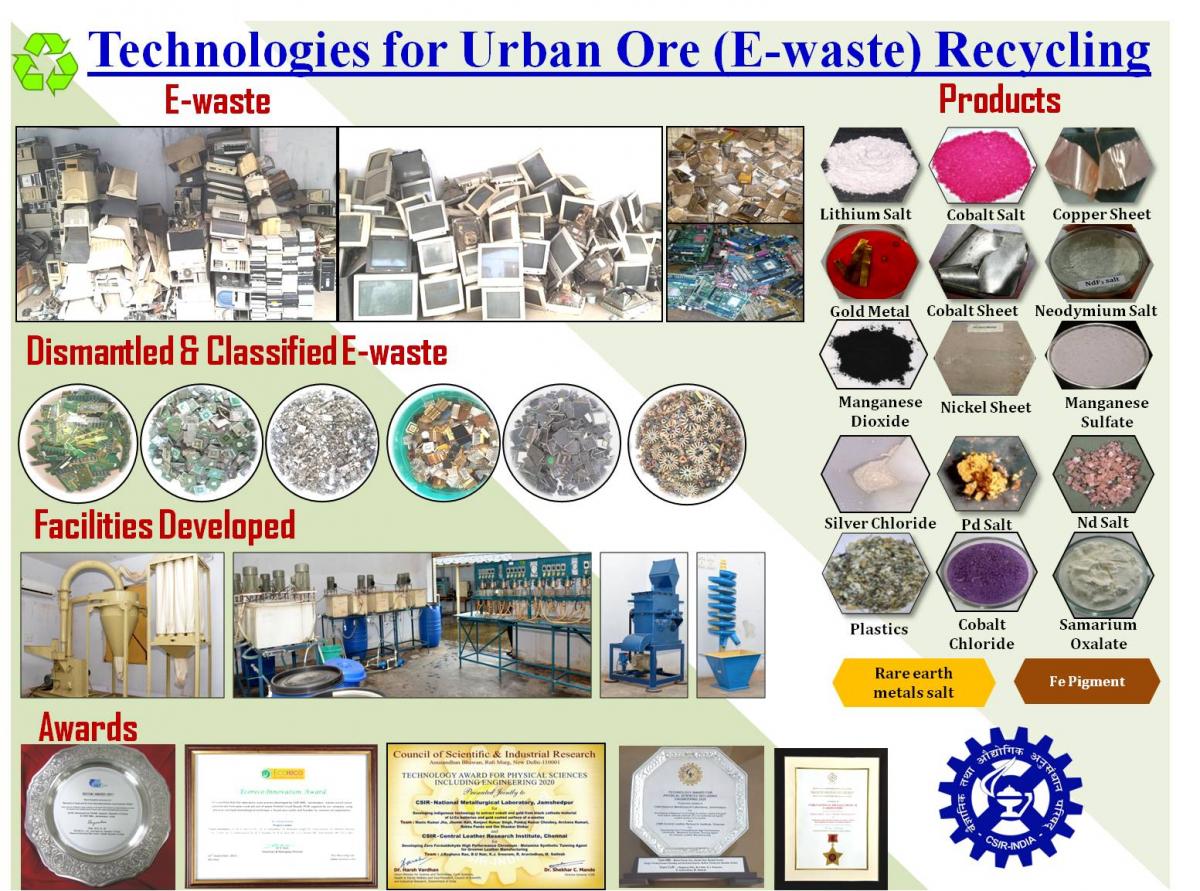
सीएसआईआर-राष्ट्रीय धातुकर्म प्रयोगशाला (NML), जमशेदपुर अनुप्रयोग-उन्मुख ई-कचरा पुनर्चक्रण प्रक्रियाओं के विकास में अग्रणी रही है, जो शून्य अपशिष्ट अवधारणाओं को पूरा करती हैं। 2000 के दशक की शुरुआत से, NML के वैज्ञानिकों का समूह विभिन्न ई-कचरों के पुनर्चक्रण द्वारा मुद्रित सर्किट बोर्डों (PCBs) से अलौह धातुओं, विभिन्न प्रकार के चुंबकों से दुर्लभ मृदा धातुओं और ई-कचरे से बहुमूल्य धातुओं की व्यवस्थित तरीके से पुनर्प्राप्ति के लिए प्रक्रियाओं के विकास पर कार्य कर रहा है। स्केल-अप और पायलट स्केल परीक्षणों को संचालित करने के लिए, द्वितीयक संसाधनों से अलौह, बहुमूल्य और दुर्लभ मृदा धातुओं की पुनर्प्राप्ति हेतु व्यवहार्य प्रौद्योगिकियों के विकास के लिए समर्पित एक केंद्र स्थापित किया गया है। भारत सरकार के वैज्ञानिक एवं औद्योगिक अनुसंधान विभाग (DSIR) के सचिव और CSIR के महानिदेशक डॉ. शेखर सी. मांडे ने 20th अप्रैल 2019 को CSIR-NML, जमशेदपुर में इस केंद्र का उद्घाटन किया, जिसका नाम अर्बन ओअर (ई-कचरा) रीसाइक्लिंग सेंटर (UORC) रखा गया। इस बैनर के तहत, CSIR-NML ने हाल ही में उच्च ग्राहक संतुष्टि सूचकांक के साथ विभिन्न भारतीय पुनर्चक्रण कंपनियों को 14 प्रौद्योगिकियां हस्तांतरित की हैं। प्रौद्योगिकियों का हस्तांतरण भारत सरकार द्वारा शुरू किए गए "स्वच्छता अभियान" की दिशा में एक बड़ा कदम है।
विकसित प्रक्रियाएँ पूरी तरह स्वदेशी, आर्थिक रूप से व्यवहार्य, कम ऊर्जा-गहन हैं और धातुओं तथा सामग्रियों का उच्च मूल्य प्राप्त करती हैं। ई-कचरा पुनर्चक्रण कम प्रक्रिया लागत, उच्च मूल्य वाली पुनर्चक्रित धातुओं/सामग्रियों की प्राप्ति और तकनीकी-आर्थिक लाभ के कारण उच्च राजस्व अर्जित करके बहुमूल्य, अलौह, दुर्लभ पृथ्वी धातुओं की पुनर्प्राप्ति के लिए नया बाजार उत्पन्न करेगा। ई-कचरा पुनर्चक्रण क्षेत्र देश की अर्थव्यवस्था में योगदान देगा और रोजगार सृजित करेगा। भविष्य में, प्रौद्योगिकी के खंड आम लोगों के लिए कुटीर उद्योगों/निर्माताओं द्वारा समर्थित लघु-स्तरीय उद्योगों के रूप में पर्यावरण के अनुकूल तरीके से उपलब्ध होंगे।
हाल के वर्षों में CSIR-NML ने ई-कचरे के पुनर्चक्रण के लिए व्यवहार्य प्रक्रिया के विकास के क्षेत्र में बहुत योगदान दिया है, ताकि धातुओं, सामग्रियों और मूल्यवान वस्तुओं को पुनः प्राप्त किया जा सके, जो निम्नलिखित हैं:
- स्क्रैप दूरसंचार उपकरणों, चिकित्सा उपकरणों, की-बोर्ड और विभिन्न ई-कचरे के प्रिंटेड सर्किट बोर्ड्स (PCBs) से बहुमूल्य धातुओं (Au, Ag, Pt, Pd) की पुनर्प्राप्ति
- अपशिष्ट Li-ion (LIBs) और Ni-Metal Hydride (NiMH) बैटरियों से लिथियम, कोबाल्ट, तांबा, निकेल, मैंगनीज और पुनर्चक्रण योग्य ग्रेफाइट की पुनर्प्राप्ति
- पवन टर्बाइन और ई-कचरे के विभिन्न मैग्नेटों से दुर्लभ मृदा धातुओं (Nd, Sm) की पुनर्प्राप्ति
- इलेक्ट्रिक वाहन (Ev) बैटरियों से दुर्लभ मृदा धातुओं (Nd, Ce और La) की पुनर्प्राप्ति
- अपशिष्ट फ्लोरोसेंट लैंपों से दुर्लभ मृदा धातुओं (Y, Eu, La, Ce और Tb) की पुनर्प्राप्ति
- टेलीकॉम ऑप्टिकल केबलों और सौर पैनलों से रणनीतिक धातु जर्मेनियम (Ge) की पुनर्प्राप्ति।
UORC के बैनर तले, CSIR-NML ने हाल ही में दुर्लभ, दुर्लभ-पृथ्वी, बहुमूल्य और रणनीतिक धातुओं की पुनर्प्राप्ति के लिए विभिन्न उद्योगों (M/s Novasensa Pvt. Ltd., New Delhi., M/s Recyclib Pvt. Ltd., Delhi., M/s Metaore Recycler Pvt. Ltd., Kolkata., M/s NILE Li-Cycle Pvt. Ltd., Hyderabad., M/s Jai Mata Di Plastics, New Delhi., M/s Evergreen Recyclekaro Pvt. (India) Ltd., Mumbai; M/s EXIGO Recycling, New Delhi; M/s SBCON Recycling Pvt. Ltd., Ahmedabad; M/s ADV Metal Combine Pvt. Ltd., Durg; M/s UNQ IND Pvt. Ltd., Firozabad; M/s Eco Recycling Company, Mumbai) को ई-कचरा पुनर्चक्रण प्रौद्योगिकियां हस्तांतरित की हैं। यह पहल स्वरोजगार, उद्यमिता को बढ़ावा देगी और कुटीर उद्योगों को प्रोत्साहित करेगी। इस प्रयास में, CSIR-NML के वैज्ञानिकों को CSIR Technology award (2021), NM Sampat Award (2021), RECOM Award (2012), आदि सहित कई पुरस्कारों से सम्मानित किया गया है।
खनिज परिष्करण - धरती से उद्योग तक
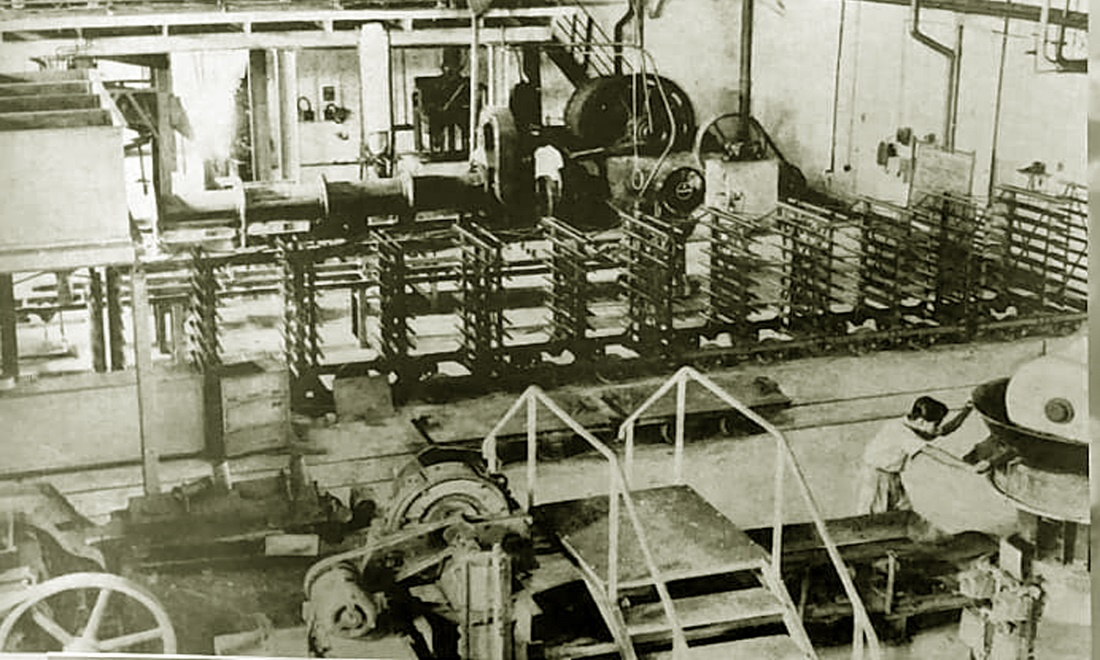
भारी एकीकृत खनिज परिष्करण पायलट संयंत्र, जिसे तृतीय पंचवर्षीय योजना के एक भाग के रूप में ₹ 5 मिलियन (1960 के दशक के प्रारंभ में) की लागत से बनाया गया था, का उद्घाटन 1963 के प्रारंभ में तत्कालीन केंद्रीय वैज्ञानिक अनुसंधान एवं & तकनीकी शिक्षा मंत्री प्रो. हुमायूँ कबीर द्वारा किया गया। संयंत्र का उद्देश्य कच्चे माल के परिष्करण के लिए मूलभूत आँकड़े विकसित करने हेतु चौबीसों घंटे संचालन करना था। संयंत्र में विशिष्ट उपचार और इष्टतम उन्नयन चक्र के आधार पर प्रति घंटे 5 टन तक अयस्क का उपचार करने की क्षमता थी और यह निम्न-श्रेणी के अयस्कों एवं खनिजों के परिष्करण और उन्नयन तथा सांद्रणों के समूहन से संबंधित परीक्षणों के लिए दुनिया के सर्वोत्तम सुसज्जित एकीकृत संयंत्रों में से एक था। उपकरणों की खरीद के लिए धनराशि US Export-Import Bank द्वारा प्रदान की गई थी। इस पायलट संयंत्र की संपूर्ण इंजीनियरिंग डिजाइन, लेआउट, निर्माण और स्थापना का कार्य राष्ट्रीय धातुकर्म प्रयोगशाला के कर्मचारियों द्वारा किया गया था। संयंत्र में अपचयन रोस्ट उपचार और सांद्रण के महीन कणों के समूहन सहित शास्त्रीय अयस्क-ड्रेसिंग विधियों द्वारा किसी भी प्रकार के अयस्क का लगातार उपचार करने की क्षमता थी। इस संयंत्र को अंतरराष्ट्रीय स्तर पर सर्वश्रेष्ठ संयंत्रों में से एक माना गया था। संयंत्र के उद्घाटन के दौरान British Iron & Steel Research Association के निदेशक सर चार्ल्स गूडईव ने कहा:
“मुझे अपने जीवन में काफी संख्या में पायलट संयंत्रों का अध्ययन करने का अवसर मिला है, लेकिन मैंने अभी तक ऐसा कोई नहीं देखा जो NML में संचालित पायलट संयंत्रों से बेहतर हो… ब्रिटिश आयरन & स्टील रिसर्च एसोसिएशन, जो अपनी खनिज परिष्करण पायलट संयंत्र सुविधाओं का विस्तार करने की योजना बना रहा था, पिछले पाँच वर्षों के दौरान NML की तुलना में आधी गति से भी आगे नहीं बढ़ पाया था। मैं गंभीरता से सोच रहा हूँ कि अपनी कुछ समस्याएँ NML को भेजूँ, जिन पर वहाँ काम किया जा सकता है, क्योंकि कई मामलों में वहाँ की सुविधाएँ ब्रिटेन में हमारी अपनी सुविधाओं से बहुत अधिक बेहतर हैं”
इस संयंत्र का खनिज परिष्करण अध्ययनों के लिए व्यापक रूप से उपयोग किया गया; विशेष रूप से लौह अयस्क, चूना पत्थर, डोलोमाइट, मैंगनीज अयस्क, आधार धातुओं के जटिल सल्फाइड अयस्क, ग्रेफाइट, कोयला, कायनाइट, वोल्फ्रामाइट, मैग्नेसाइट, बैराइट्स, एपेटाइट, फॉस्फेट और फ्लुओर्स्पार के लिए। भारत के लगभग पूरे इस्पात उद्योग (TISCO, IISCO, SAIL) ने लौह अयस्क परिष्करण और लौह अयस्कों के एग्लोमेरेशन के लिए आवश्यक फ्लो शीट विकसित करने हेतु NML द्वारा तैयार किए गए मूलभूत आँकड़ों का उपयोग किया। इसी प्रकार, हिंदुस्तान कॉपर के घाटशिला और मलांजखंड स्थित दोनों प्रमुख तांबा संयंत्रों ने तांबा सांद्रण के उत्पादन के लिए NML द्वारा विकसित फ्लो शीट को अपनाया। भारत में कई ग्रेफाइट परिष्करण संयंत्र और फ्लुओर्स्पार संयंत्र अपने अस्तित्व का श्रेय NML को देते हैं। 1998 में उन्नत किया गया यह संयंत्र आधुनिक सुविधाओं से युक्त है। आज, नेशनल मेटलर्जिकल लेबोरेटरी का मिनरल प्रोसेसिंग डिवीजन अपने खाते में 800 से अधिक प्रायोजित अनुसंधानों का दावा कर सकता है, जो कोयले सहित लगभग पूरे अयस्कों और खनिजों के क्षेत्र को समेटते हैं। प्रमुख लाभार्थियों में टाटा आयरन & स्टील कंपनी लिमिटेड, हिंदुस्तान स्टील लिमिटेड के अधीन सभी इस्पात संयंत्र [अब स्टील अथॉरिटी ऑफ इंडिया लिमिटेड (SAIL)], गुजरात, राजस्थान, तमिलनाडु, आंध्र, बिहार और कई अन्य राज्यों के मिनरल डेवलपमेंट कॉरपोरेशन, हिंदुस्तान कॉपर लिमिटेड, नेशनल मिनरल डेवलपमेंट कॉरपोरेशन, इंडियन रेयर अर्थ लिमिटेड और कई अन्य शामिल थे। इस सूची में नेपाल, भूटान, थाईलैंड, कजाकिस्तान, सीरिया, मिस्र और यूनाइटेड किंगडम के कई विदेशी ग्राहक भी शामिल हैं।
रणनीतिक धातु निष्कर्षण - संसाधन संप्रभुता की दिशा में प्रयास
प्रयोगशाला का प्राथमिक और द्वितीयक स्रोतों से रणनीतिक धातुओं के निष्कर्षण और प्रसंस्करण पर विशिष्ट और सतत ध्यान केंद्रित है। अधिकांश रणनीतिक धातुओं के लिए भारत के सीमित प्राथमिक संसाधनों को देखते हुए, अनुसंधान में अपशिष्टों से निष्कर्षण पर जोर दिया जाता है, साथ ही कुछ निम्न-श्रेणी के स्वदेशी संसाधनों के दोहन पर भी ध्यान दिया जाता है। NML ने स्क्रैप से टंग्स्टन की पुनर्प्राप्ति के लिए एक उन्नत प्रौद्योगिकी विकसित और व्यावसायीकृत की। सोडियम और गैडोलिनियम (परमाणु ऊर्जा कार्यक्रम के लिए आवश्यक) के लिए स्वदेशी प्रौद्योगिकियाँ सफलतापूर्वक विकसित की गईं, जिनमें सोडियम उत्पादन को उद्योग द्वारा बड़े पैमाने पर बढ़ाया गया। उच्च शुद्धता वाले गैडोलिनियम का उत्पादन पिघले हुए लवण के विद्युत अपघटन द्वारा किया गया। NML प्राथमिक और द्वितीयक दोनों संसाधनों (उपयोग-अवधि समाप्त बैटरियों) से लिथियम के निष्कर्षण में महत्वपूर्ण सफलता के साथ संलग्न है। शहरी अयस्कों से दुर्लभ मृदा तत्वों की पुनर्प्राप्ति और औद्योगिक अपशिष्टों से रणनीतिक धातुओं के मूल्यवर्धन के लिए भी पर्याप्त प्रयास किए जाते हैं। एक समर्पित शहरी अयस्क पुनर्चक्रण केंद्र परिचालन में है, और शहरी अपशिष्टों से लिथियम, कोबाल्ट, निकेल और दुर्लभ मृदा तत्वों के निष्कर्षण के लिए हाल ही में कई प्रौद्योगिकी हस्तांतरण हुए हैं।
कार्यात्मक सामग्री
क्लाइंट्स और सहयोगियों की आवश्यकताओं के आधार पर कई नए मिश्रधातु और सामग्रियाँ विकसित की गई हैं। जैव-अनुप्रयोगों के लिए बायोमिमेटिक उत्पादों का व्यावसायीकरण किया गया है। एयरोस्पेस बहुराष्ट्रीय कंपनियों के लिए उन्नत कोटिंग्स को हरित प्रोटोकॉल के साथ विकसित किया गया है। अमोर्फस मिश्रधातुओं को विकसित कर सेंसरों में उपयोग किया गया है। वर्तमान फोकस क्षेत्रों में 2D सामग्रियाँ, MXenes, और चुंबकीय शेप मेमोरी मिश्रधातुएँ शामिल हैं। विभिन्न सिरेमिक और धात्विक बायो-इम्प्लांट सामग्रियों को विकसित और व्यावसायीकृत किया गया है। इसके अलावा, ग्राफीन अनुसंधान में NML का योगदान उल्लेखनीय है। CSIR-NML की ग्राफीन गतिविधियाँ 2012 में शुरू हुईं। विशिष्ट उत्पादन विधियों, जैसे कार्बन अपशिष्ट का पायरोलिसिस करना और ग्रेफाइट में कोलेजन को शामिल करना, ने घरेलू और विदेशी दोनों व्यवसायों को आकर्षित किया। NML के वैज्ञानिक ने एक प्रायोजित परियोजना के तहत Tata Steel के साथ साझेदारी में एक पारदर्शी प्रवाहकीय इलेक्ट्रोड और संक्षारण-प्रतिरोधी कोटिंग सामग्री बनाई। इन निष्कर्षों के कारण Tata Sons द्वारा 2015 का Tata Innovista Award और Tata Steel द्वारा 2016 का APEX TQM RECOGNITION AWARD प्राप्त हुआ। CSIR-NML ने यह भी प्रदर्शित किया कि कोलेजन-आधारित एक्सफोलिएटेड ग्राफीन कंपोजिट प्रायोजित परियोजना के तहत ऊर्जा उपकरणों, विशेष रूप से बैटरियों और सुपर-कैपेसिटरों के लिए उपयुक्त है।
संरचनात्मक स्वास्थ्य निगरानी - मैनुअल से रिमोट सेंसिंग तक
प्रयोगशाला संरचनात्मक स्वास्थ्य निगरानी (SHM) के क्षेत्र में एक अग्रणी संगठन है, जिसका कारण सामग्री के अभिलक्षणन और गैर-विनाशकारी मूल्यांकन में इसकी उत्कृष्ट सुविधाएँ और विशेषज्ञता है। CSIR-NML महत्वपूर्ण औद्योगिक घटकों की SHM, अवशिष्ट जीवन आकलन और विफलता जाँच में अग्रणी है, तथा विविध ग्राहक वर्ग के साथ तीन सौ से अधिक परियोजनाएँ पूरी कर चुका है। CSIR-NML में SHM के क्षेत्र में अनुसंधान का बढ़ता ध्यान औद्योगिक अनुप्रयोगों के लिए विशेष रूप से तैयार संवेदन उपकरणों और सेंसरों के डिजाइन एवं विकास पर केंद्रित रहा है, ताकि महंगे आयात पर निर्भरता कम की जा सके। इसमें सूक्ष्मसंरचनात्मक क्षति का पता लगाने के लिए एक एनीलिंग सिम्युलेटर, MagStar, MagSys, MagRays तथा स्टील तारों की वास्तविक समय गुणवत्ता आकलन के लिए FlawGuard और Zincometer शामिल हैं। CSIR-NML ने CSIR-CGCRI के सहयोग से Fibre Bragg Grating (FBG) सेंसरों के अनुप्रयोगों में अग्रणी भूमिका निभाई है, जिसमें सतत कास्टिंग मोल्डों का तापमान प्रोफाइलिंग और बिलेट कास्टर्स में ब्रेकआउट का पता लगाने के लिए सफल कार्यान्वयन शामिल हैं। इस प्रौद्योगिकी के लिए, CSIR-NML ने Tata Steel के साझेदार के रूप में 2022 में Most Innovative Partner श्रेणी में Tata Sons द्वारा Tata Innovista Award प्राप्त किया। कई प्रौद्योगिकियों को लाइसेंस दिया गया है और उद्योग में भी लागू किया गया है।
वैज्ञानिक सामाजिक उत्तरदायित्व - NML का समाज के लिए विज्ञान
कारीगरों की सहायता करना
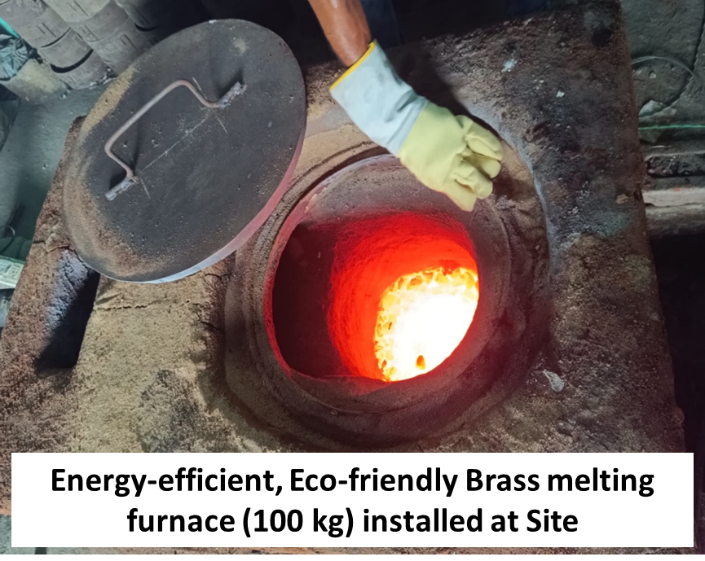
जब देश भर में पीतल के सामान बनाने वाले कारीगर चीन से कड़ी प्रतिस्पर्धा के कारण संकट में थे, तब NML के वैज्ञानिक अपनी वैज्ञानिक सामाजिक जिम्मेदारियों के तहत उनकी मदद के लिए आगे आए। इसके अलावा, कारीगरों द्वारा घरों में इस्तेमाल की जाने वाली पारंपरिक गड्ढा भट्टियाँ ईंधन की दृष्टि से अक्षम और प्रदूषणकारी थीं। राष्ट्रीय नवाचार परिषद की एक पहल के तहत, CSIR-NML ने धातु कारीगरों के लिए अपशिष्ट ऊष्मा पुनर्प्राप्ति प्रणाली का उपयोग करने वाली और गड्ढे के भीतर निलंबित कण पदार्थ (SPM) को रोकने वाली किफायती, ईंधन-कुशल और पर्यावरण-अनुकूल कोक आधारित पीतल पिघलाने की भट्ठी विकसित की। ऐसी कुछ भट्टियाँ उत्तर प्रदेश के मुरादाबाद, ओडिशा के पिपली और बालासोर में स्थापित की गईं। साथ ही कारीगरों में जागरूकता बढ़ाने और उन्हें प्रशिक्षण देने के प्रयास भी किए गए। CSIR-NML ने पीतल के हस्तशिल्पों को धूमिल होने से बचाने और उनकी धात्विक चमक बनाए रखने के लिए एक प्रभावी, कम लागत वाला एंटी-टार्निशिंग लैकर भी विकसित किया। विकसित लैकर तकनीकी और लागत, दोनों दृष्टियों से बाजार में उपलब्ध लैकरों से बेहतर है। इस तकनीक को इसके व्यावसायिक उत्पादन के लिए एक निजी उद्यमी को हस्तांतरित किया गया है। CSIR-NML को पश्चिम बंगाल में कई पीतल और चांदी के कारीगर क्लस्टरों के लिए विस्तृत परियोजना रिपोर्ट (DPRs) तैयार करने की जिम्मेदारी भी सौंपी गई थी, जिन्हें सफलतापूर्वक पूरा कर लिया गया है।
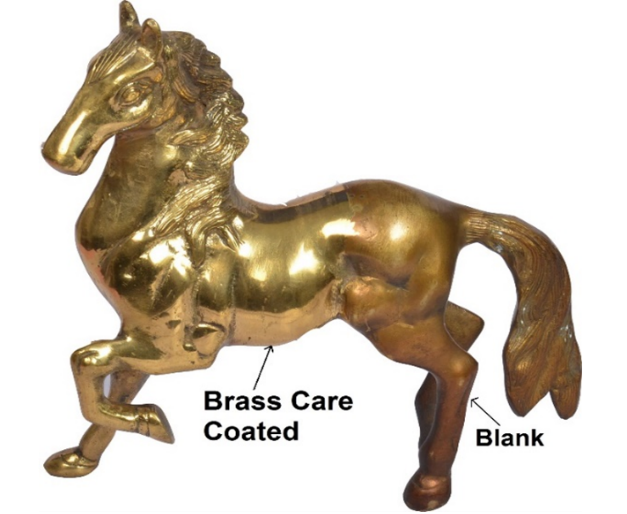 CSIR-NML ने पीतल को धूमिल होने से बचाने के लिए एंटी-टार्निशिंग लैकर विकसित किया